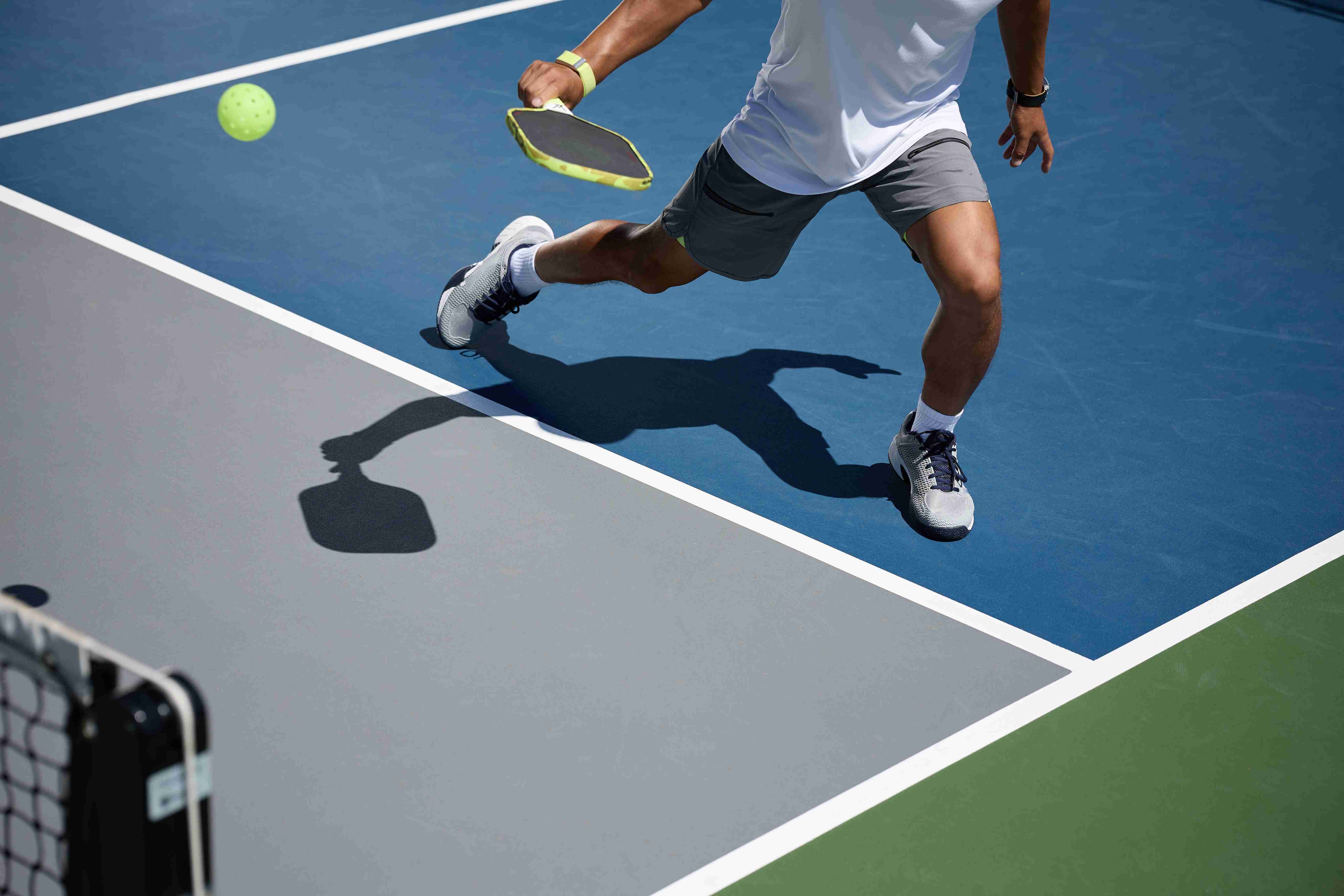
Improving your pickleball footwork is one of the fastest ways to take your game to the next level. From better court coverage to quicker reaction time, mastering movement techniques will help you stay balanced, get in position early, and win more points. If you’re just starting out or looking to clean up your fundamentals, understanding the role of footwork is key to leveling up your play.
Why Pickleball Footwork Matters
Footwork might not be as flashy as a power serve, but it’s the hidden engine of your performance. The better your movement, the more control you’ll have over your shots. Poor footwork can leave you off-balance, late to the ball, or out of position at critical moments. Great footwork, on the other hand, sets you up for confident strokes, strategic dinks, and clean volleys.
If you’re unclear on where you should be standing during play, our pickleball rules guide offers a full breakdown of court zones and player positioning—both of which impact how you move.
Start With the Basics: The Ready Position
Before diving into advanced movement drills, start by mastering your ready position. This is your home base on the court.
- Knees slightly bent
- Weight on the balls of your feet
- Paddle up in front of your body
- Eyes locked on the ball
From this athletic stance, you’ll be able to move quickly in any direction. It’s especially helpful when anticipating a fast return during a serve or staying sharp at the net.
Use the Split Step to React Faster
The split step is a small hop you take just before your opponent strikes the ball. It keeps you on your toes—literally—and prepares you to move in any direction.
Here’s how to use it:
- Time your hop just as your opponent makes contact.
- Land softly with knees bent and feet shoulder-width apart.
- Push off toward the ball.
This quick motion gives you an explosive edge in fast exchanges and should become second nature during every rally. Want to see it in action? The USA Pickleball skills library offers short videos demonstrating proper split step mechanics and reactive drills.
Master Lateral Movement for Better Court Coverage
In pickleball, most of your movement is side-to-side. Learning proper lateral footwork helps you glide across the court efficiently without crossing your feet or tripping over yourself.
Tips for better lateral movement:
- Always face the net—don’t turn your back.
- Shuffle with small, quick steps.
- Avoid “clicking” your feet together to maintain stability.
This becomes especially useful during dink battles, where your opponent tries to pull you wide left or right and test your balance.
Advance With Diagonal & Recovery Steps
While lateral shuffling gets you from A to B, smart footwork also includes diagonal steps and quick recoveries.
Let’s say you’re pulled wide to the forehand side—don’t just stay there. Use recovery steps to return to your ideal court position. This is critical in singles play, where every bit of court is your responsibility.
To develop this skill, the IPTPA’s footwork training tips include recovery step drills and explanations on directional pivots—tools that top-level players rely on during intense rallies.
Keep Your Feet Active at the Kitchen Line
The non-volley zone, or “kitchen,” is where points are won or lost. It demands quick, subtle footwork and balance.
When at the kitchen line:
- Stay light on your toes
- Use micro-adjustments to react to dinks and volleys
- Maintain a wide, balanced stance
Never get caught flat-footed. Even just bouncing lightly or shifting your weight side to side can keep you alert and responsive.
Balance is Everything
Good footwork isn’t just about speed—it’s about staying balanced. If you’re leaning, lunging, or falling over while hitting, your shot quality drops fast.
Here’s how to improve your balance:
- Keep your center of gravity low
- Avoid overreaching—move your feet to the ball
- Finish each shot in a stable, athletic position
Balanced movement is what allows pros to hit powerful, controlled shots without looking like they’re even trying.
Common Footwork Mistakes to Avoid
Even intermediate players fall into bad habits. Here are a few footwork faux pas to watch out for:
- Standing flat-footed between points
- Crossing your feet when shuffling laterally
- Skipping the split step, especially during fast-paced rallies
- Backpedaling instead of pivoting when retreating
These mistakes usually come from fatigue or lack of awareness. Luckily, they’re easy to correct once you identify them.
Footwork Drills You Can Do Off-Court
Want to build muscle memory? Try these off-court drills to sharpen your pickleball footwork:
Shadow Drills
Imagine a ball coming at you and move into position as if you were hitting it—no paddle or ball needed.
Ladder Drills
Use an agility ladder or draw chalk lines on the ground:
- Perform lateral shuffles
- In-and-out hops
- Diagonal quick steps
Cone Drills
Place cones around an open area and simulate moving to different parts of the court. Focus on quick, controlled movement and quick recovery.
These are easy to set up in a driveway, garage, or gym—and they translate beautifully to court agility.
Pickleball Footwork in Real Scenarios
In a fast-paced kitchen rally, footwork can be the difference between controlling the exchange or getting jammed by a flick. If you’re slow to adjust your stance or don’t shuffle in time, you’ll be lunging instead of reacting.
In singles, efficient footwork allows you to return wide shots and recover quickly to the middle. Miss that recovery step, and your opponent has an open court to exploit.
Smart players don’t just hit well—they move well. Every step they take is intentional.
FAQs About Pickleball Footwork
Why is footwork important in pickleball?
Because it positions your body for better balance, timing, and shot execution. Without good footwork, your shots suffer—even if your paddle skills are strong.
How do I improve my pickleball footwork?
Practice split steps, lateral shuffles, and recovery movements. Drills like agility ladders and cone setups help build quickness and control.
What’s the most common footwork mistake?
Standing flat-footed or not recovering after hitting a shot. Both leave you out of position and vulnerable.
Is footwork different in singles vs. doubles?
Yes. Singles involves more ground to cover, so recovery steps and explosive movement matter more. Doubles is about quick positioning and controlled lateral steps near the kitchen.
Conclusion: Step Into a Better Game
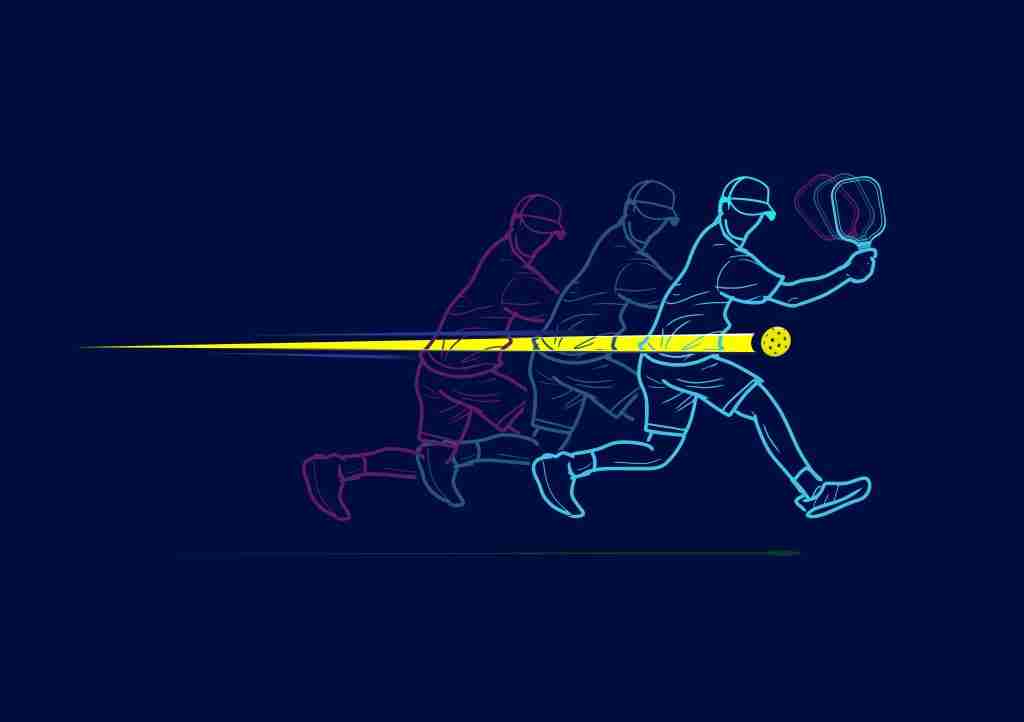
Pickleball footwork is the foundation of every shot you take. When you move with purpose—using split steps, staying balanced, and reacting with quick lateral movement—you set yourself up for success. So, the next time you hit the court, don’t just focus on your paddle. Pay attention to your feet. Mastering your movement might be the missing piece that elevates your entire game.