Pickleball is one of the fastest-growing sports in the UK, combining elements of tennis, badminton, and ping-pong. Its easy-to-learn nature and emphasis on fun make it a favorite for people of all ages. However, understanding the fundamental rules of pickleball is crucial to enjoying and playing the game correctly.
This article aims to guide you through the top nine pickleball rules for beginners. You’ll find essential information and tips, ensuring you can step onto the court with confidence.
1. Master the Serve
The serve in pickleball sets the tone for the entire rally, so it’s crucial to master this fundamental skill. The server needs to stand behind the baseline, hit the ball underhand, and make sure the pickleball paddle touches the ball below the waist. The serve must land at an angle across the court, clearing the non-volley zone, also known as the kitchen. Ensuring your serve is consistent and accurate will give you a competitive edge.
A good serve can quickly put your opponent on the defensive right from the start. Hence, practicing regularly can help you develop a reliable technique. Begin by concentrating on striking the ball cleanly and targeting a particular location in the opponent’s service zone. As you get better, you can change things up by incorporating varied spins to make it harder for your opponents to predict your shots.
Improving your serve also involves understanding the five serving rules of pickleball, such as the following:
- Underhand Serve: The ball must be served underhand, with precise timing, as the paddle must connect with the ball below the server’s waist. This keeps the serve fair and manageable for the receiver.
- Foot Placement: The server’s feet must remain behind the baseline until after the ball is hit. This ensures that the server is at a fair distance from the net.
- Diagonal Serve: The serve must travel at an angle across the court to the opponent’s service box. This helps maintain a fair starting position for both players.
- Single Attempt: Players can make only one serve attempt per point, except in the case of a let. This rule keeps the game moving quickly and minimizes delays.
- Non-Volley Zone Clearance: The serve must clear the non-volley zone and land in the opposite service court. This prevents the server from gaining an unfair advantage.
2. Understand the Double Bounce Rule
One of the unique rules of pickleball is the double bounce rule. After the serve, players must allow the ball to bounce once on each side before they can hit volleys. This rule actively promotes longer rallies and reduces the advantage of strong servers. Understanding and practicing this rule can enhance your game strategy and make rallies more enjoyable.
The double bounce rule also encourages strategic thinking and careful placement of shots. It prevents players from rushing the net immediately after serving or returning a serve, thus balancing the gameplay. Effective execution of this rule is essential so make sure to practice patience and control during these initial bounces to set up favorable positions for volleys. This rule not only makes the game fairer but also more exciting and dynamic.
In addition, mastering the double bounce rule can help you anticipate your opponent’s moves. By observing the bounce, you can predict where the ball will go and position yourself accordingly. This foresight allows for better shot selection and positioning, leading to more successful rallies. Regularly practicing with this rule in mind will improve your reflexes and strategic thinking on the court.
3. Excel in the Non-Volley Zone: The Kitchen
The non-volley zone, or kitchen, is a seven-foot area on either side of the net. Players must let the ball bounce first before hitting it in this area. This kitchen rule prevents players from dominating the net area, ensuring fair play. Consequently, knowing when to step into the kitchen and when to stay out can significantly impact your gameplay.
Understanding the kitchen rule can help you develop better court awareness and positioning. It also requires players to be agile and quick on their feet. Practicing your footwork and actively learning to control your movements around the kitchen can give you an advantage. By mastering this rule, you’ll be able to play more strategically and avoid unnecessary faults.
Staying out of the kitchen while volleying also means developing a keen sense of balance and timing. Often, players step into the kitchen unknowingly, resulting in a fault. Practicing your volleys and footwork to ensure you remain outside the kitchen can help prevent these errors. Additionally, learning to take advantage of your opponent’s kitchen violations can provide scoring opportunities.
4. Keep the Ball In Bounds
In pickleball, it’s important to control the ball and keep it in bounds on the court for accurate play. Hitting the ball out of bounds results in a fault, giving the opposing team a point or the serve. Practicing control and precision keeps the ball in play and reduces unforced errors.
Start by diligently practicing a smooth stroke to hit the ball accurately on the court to help you improve your precision. In addition, paying attention to your stance and grip can significantly affect your control over the ball. By honing these skills, you will be able to keep the ball in play more consistently and reduce the number of faults you commit.
To improve your in-bounds play, try practicing with boundary markers or playing on smaller courts for better accuracy. You can also focus on hitting targets and controlling the ball’s direction and speed. Visualizing the court’s boundaries can help improve shot accuracy and prevent hitting the ball out of play.
This mental image can assist players in better understanding where to aim their shots. By picturing the court’s limits, players can reduce errors and increase their chances of success. Consistent practice in this area will make you a more reliable and precise player.
5. Learn the Scoring Basics
Understanding how to score in pickleball is essential. Teams typically play games to 11 points, and a team must win by two points. Only the serving team can score points. This rule adds a layer of strategy to the game, as maintaining the serve is crucial for accumulating points and winning.
Knowing the scoring system allows you to develop better game strategies. Since only the serving team can score, it strongly emphasizes the importance of holding and regaining the serve. Work on developing a strong serve and reliable returns to maintain your serve as long as possible. Understanding these dynamics can help you play more strategically and increase your chances of winning.
Scoring in pickleball also involves calling out the score correctly before each serve. The server announces their team’s score first, followed by the opponent’s score, and finally their server number (either “one” or “two”). This practice keeps both teams aware of the current score and prevents disputes. Regularly practicing this routine ensures smooth gameplay and helps maintain focus and clarity during the match.
6. Know the Importance of the Second Server
In doubles play, each team has two servers assigned per turn. The first server continues serving until a fault occurs, then the second server takes over. The serve goes to the opposing team when the second server commis a fault. This rule gives teams multiple chances to score and requires strategic play to maximize scoring opportunities.
Utilize the second server rule to your advantage by developing different serving styles and strategies. The first server should aim for reliable serves, while the second server can try other, more aggressive serves. This can keep your opponents guessing and off-balance, making it harder to predict and return your serves effectively.
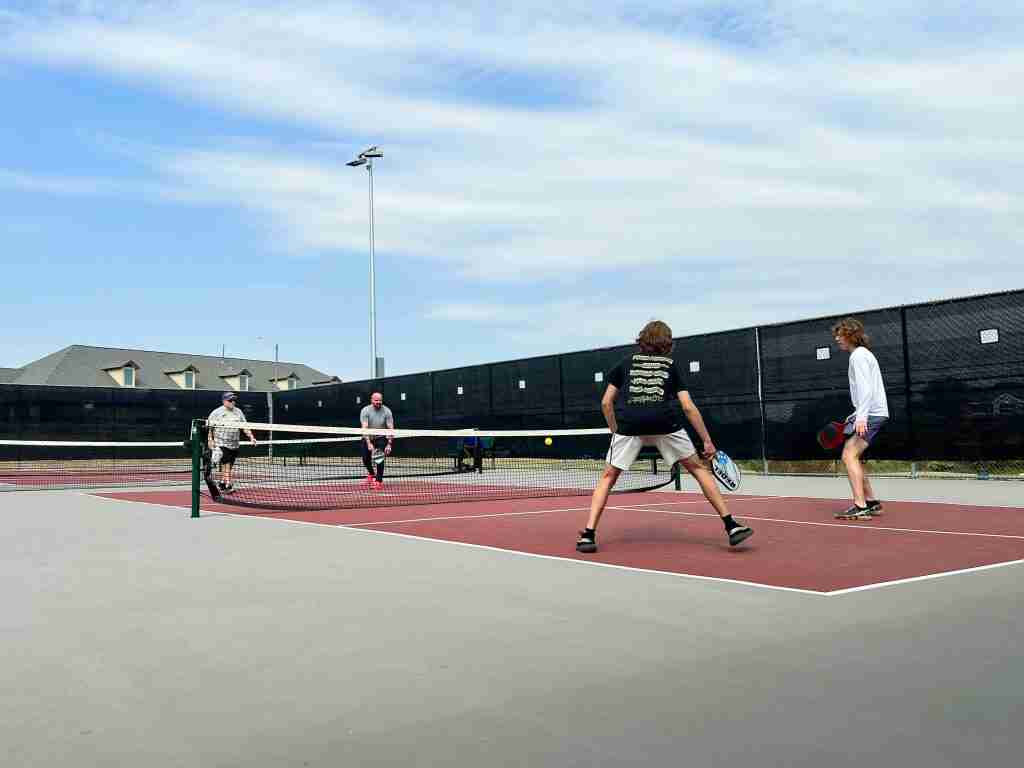
Understanding the role of the second server also means knowing when to take risks. The first server aims to be consistent, while the second server can try out different techniques, like serving faster or slower. They can also target the opponent’s weaker side, which allows for flexibility and strategic depth in your game.
7. Avoid Carrying or Double Hits
Players must hit the ball cleanly with the paddle because, in pickleball, players can’t hit the ball twice in one stroke or carry it. If they do so, they incur a fault, resulting in the loss of the rally.
To avoid these faults, work on developing a smooth, clean hitting technique. Focus on executing a quick, decisive motion when hitting the ball. You can also practice with a partner or a coach who can help refine your technique and eliminate bad habits. Clean hits ensure that the game remains fair and competitive, and adhering to this rule will help you play at your best.
Avoiding carrying and double hits also involves understanding proper paddle grip and swing mechanics. A firm yet relaxed grip allows for better control and quick, clean shots. Regularly practicing drills that specifically focus on quick reaction times and clean contact can help you eliminate these faults. Maintaining this level of precision ensures fair play and enhances your overall performance.
8. Recognize Faults and Their Consequences
Mistakes can occur in various situations, such as when the ball goes out of bounds or fails to clear the net. Another common mistake is when a player steps into the kitchen to volley.
Knowing what a fault is and how to avoid it is important because it can give the other team the serve or a point.
Here are some tips to avoid faults:
- Pay attention to your footwork, aim, and timing.
- Practice regularly to effectively minimize mistakes and enhance performance.
- Review your gameplay to identify patterns in your mistakes.
- Analyze why faults occur and develop strategies to avoid them.
- Adjust your positioning, refine your swing, and improve your focus.
Remember, practicing regularly and evaluating yourself are important for becoming a better and more successful player. You can also ask a coach or experienced players for feedback to get helpful advice on how to improve.
9. Win the Game
To secure victory in a pickleball game, a team must attain 11 points and maintain a lead of at least two points. If both teams tie at 10 points, the game continues until one team achieves a two-point lead. This win-by-two rule ensures a fair and competitive conclusion to the game.
Understanding the win-by-two rule can help you develop endgame strategies. When the score is close, focus on maintaining your serve and playing cautiously to avoid unnecessary risks. Keeping a cool head and playing strategically in these situations can help you secure victory.
In high-pressure situations, it’s essential to stay calm and composed. Focus on your strengths and execute your game plan carefully. Avoid taking unnecessary risks and aim for consistency.
Practicing under simulated pressure conditions can also better prepare you for real-game scenarios. By staying focused and strategic, you can increase your chances of clinching the victory even in closely contested matches.
Transitioning Between Sections
Transitioning between different aspects of the game can enhance your understanding and application of the rules of pickleball. By mastering each section, from serving to scoring, you’ll develop a comprehensive skill set that can elevate your gameplay.
Understanding how each rule connects and affects gameplay will help you become a more well-rounded player. By practicing and applying these pickleball rules consistently, you’ll improve your skills and enjoyment of the game.
Transitioning smoothly between different game phases and rules requires continuous practice and awareness. Each rule builds upon the others, creating a cohesive framework for playing pickleball. So, regularly reviewing and practicing these rules will ensure you are well-prepared for various game situations. Consistent application and understanding of these pickleball rules will also enhance your overall performance and enjoyment of the sport.
Conclusion
Pickleball offers a fun and engaging way to stay active and socialize. By understanding these top nine rules, beginners can enjoy the game fully and compete fairly.
Remember, practice and patience are key to mastering pickleball. By applying these rules consistently, you can improve your skills and fully love the game. Moreover, engaging in regular play and participating in local pickleball events can further enhance your experience.