As one of the fastest-growing sports, pickleball has captured the hearts of many. Like any sport, learning how to play pickleball comes with its challenges. While it may seem straightforward at first, there are several common mistakes that players—both new and experienced—tend to make. These errors can hinder your progress and enjoyment of the game. By identifying and correcting these mistakes, you can elevate your performance on the court and become a more competitive player.
In this guide, we’ll explore players’ most common mistakes and provide actionable tips on how to avoid them, ultimately helping you learn how to play pickleball better.
1. Overemphasizing Power Over Placement
One of the most frequent mistakes players make is relying too heavily on powerful shots. While it might be tempting to try to smash the ball past your opponents, pickleball is a game of finesse as much as power. Overhitting the ball often results in unforced errors, with the ball going out of bounds or into the net.
How to Avoid This Mistake: Focus on control and placement over sheer power. Practice hitting the ball softly and aim for specific spots on the court. The goal is to keep your opponent on the move and out of position, rather than trying to overpower them with a single shot. Developing a consistent and controlled shot will allow you to keep the ball in play longer and increase your chances of winning rallies.
Drills for Improvement:
- Target Practice: Set up cones or markers on the court and practice hitting the ball in those specific areas. This will help you improve your accuracy.
- Soft Hits: Practice hitting the ball softly, focusing on just clearing the net. This will help you develop better control over your shots.
2. Neglecting Proper Footwork
Footwork is an essential aspect of any racket sport, and pickleball is no exception. However, many players, especially beginners, tend to focus solely on their upper body, neglecting the importance of proper footwork. Poor footwork can lead to missed shots, poor positioning, and an inability to react quickly to your opponent’s shots.
How to Avoid This Mistake: To improve your footwork, it’s crucial to stay light on your feet and maintain a low center of gravity. This will enable you to move quickly and efficiently across the court. Always be ready to move, whether it’s side-to-side or front-to-back, to get into the optimal position to return the ball.
Drills for Improvement:
- Ladder Drills: Use an agility ladder to practice quick foot movements. This will improve your lateral movement and agility on the court.
- Shadow Footwork: Without a ball, move around the court as if you’re playing a match, focusing solely on your footwork. This will help you become more aware of your positioning.
3. Standing Too Close to the Baseline
Another common mistake players make when learning how to play pickleball is standing too close to the baseline when returning serves or during rallies. This positioning leaves you vulnerable to drop shots and makes it harder to react to fast shots. Standing too far back also limits your ability to attack the net, which is a critical aspect of winning points in pickleball.
How to Avoid This Mistake: Position yourself slightly behind the baseline, allowing yourself enough room to move forward or backward as needed. This positioning gives you more time to react to your opponent’s shots and prepares you for a quick advance to the net when the opportunity arises.
Drills for Improvement:
- Baseline Movement: Practice moving from the baseline to the net quickly and efficiently. This drill will help you transition smoothly from defense to offense.
- Reaction Drills: Have a partner hit varying shots (deep, short, fast, slow) while you practice reacting and moving to the best position to return the ball.
4. Failing to Communicate in Doubles Play
Pickleball is often played in doubles, which requires strong teamwork and communication. One of the most significant mistakes teams make is failing to communicate effectively during the game. Miscommunication can lead to missed shots, confusion about who should hit the ball, and overall poor teamwork.
How to Avoid This Mistake: Establish clear communication with your partner before and during the game. Simple verbal cues like “mine” or “yours” can help avoid confusion. Additionally, develop a strategy with your partner so that you both know each other’s strengths, weaknesses, and preferred positions on the court. Understanding how to play pickleball better as a team is just as important as individual skills.
Drills for Improvement:
- Communication Drills: Practice calling out shots during practice games. This will make it a habit during actual matches.
- Role Playing: Assign specific roles during the game (e.g., one player covers the front, the other covers the back) to minimize confusion.
5. Ignoring the Importance of the Dink Shot
The dink shot is one of the most underestimated yet powerful shots in pickleball. A well-placed dink can disrupt your opponent’s rhythm, force them to move, and set you up for an easy point. However, many players, especially beginners, neglect this shot in favor of more aggressive plays.
How to Avoid This Mistake: Incorporate dink shots into your game by practicing them regularly. A successful dink is soft, controlled, and lands just over the net in your opponent’s non-volley zone, making it difficult for them to return without making an error. Mastering the dink shot is essential in learning how to play pickleball with finesse.
Drills for Improvement:
- Dink Rallies: Practice rallying with a partner using only dink shots. This will help you develop control and consistency with this shot.
- Target Practice: Set up targets in the non-volley zone and practice hitting dink shots to those specific areas.
6. Forgetting the Third Shot Drop
The third shot drop is another essential strategy in pickleball, particularly in higher-level play. After the serve and return, the third shot should ideally be a drop shot into the opponent’s non-volley zone. However, many players opt for a hard shot, which often leads to a quick point for the opponent.
How to Avoid This Mistake: Focus on making the third shot a drop shot to neutralize your opponent’s advantage and transition from defense to offense. This shot requires practice to master the right amount of touch and control.
Drills for Improvement:
- Third Shot Drop Practice: Start with simple drop shots from the baseline, gradually increasing the difficulty by incorporating movement and different angles.
- Match Simulation: Play practice matches where you focus solely on executing the third shot drop correctly.
7. Playing Too Passively at the Net
While it’s essential to avoid overemphasizing power, playing too passively at the net can also be a mistake. If you’re too cautious, you’ll miss opportunities to finish points and give your opponents the chance to regain control of the rally.
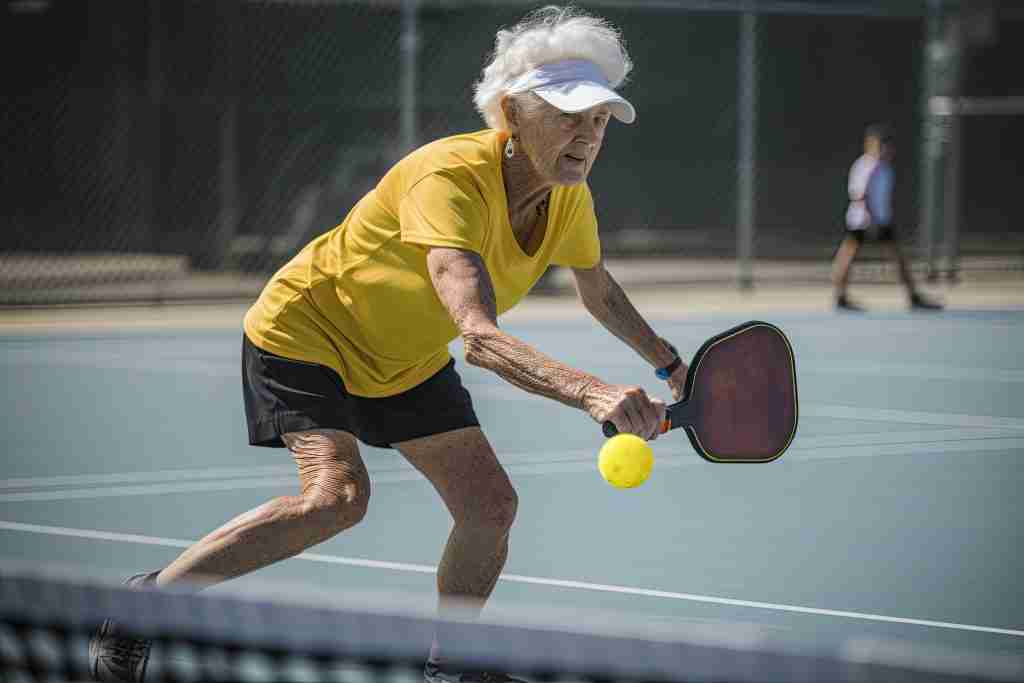
How to Avoid This Mistake: Be aggressive when you’re in a strong position at the net. Look for opportunities to put the ball away with a well-timed volley or overhead smash. The key is to find the right balance between aggression and control.
Drills for Improvement:
- Net Play Drills: Practice volleying at the net, focusing on quick, controlled movements. This will improve your reaction time and ability to finish points.
- Smash Practice: Work on your overhead smashes, aiming to place the ball out of your opponent’s reach.
8. Underestimating the Mental Game
Pickleball is as much a mental game as it is a physical one. Many players overlook the importance of focus, strategy, and mental toughness. This often leads to frustration, poor decision-making, and ultimately, losses.
How to Avoid This Mistake: Develop mental resilience by staying calm and focused during matches. Have a game plan and be prepared to adapt it as the match progresses. Keep your emotions in check, and don’t let a few bad shots affect your overall performance.
Drills for Improvement:
- Visualization: Before matches, visualize different scenarios and how you’ll respond to them. This mental preparation can help you stay focused during the game.
- Mindfulness Practices: Incorporate mindfulness techniques, such as deep breathing or meditation, to help you stay calm and composed under pressure.
9. Not Adjusting to Different Opponents
Every opponent plays differently, and failing to adjust your strategy can be a critical mistake. Some players may be more aggressive, while others might rely on defensive play. Sticking to one style of play without adapting to your opponent’s strengths and weaknesses can lead to predictable and ineffective gameplay.
How to Avoid This Mistake: Study your opponent’s playstyle early in the match and adjust your strategy accordingly. If they’re aggressive, focus on counterattacks and placing the ball out of their reach. If they’re defensive, use aggressive plays to put them on the back foot.
Drills for Improvement:
- Scenario Drills: Practice different game scenarios, such as playing against an aggressive or defensive opponent, to develop strategies for various playstyles.
- Match Analysis: Review past matches to identify patterns in how you play against different types of opponents. Use this analysis to refine your strategy and learn how to play pickleball better.
How to Play Pickleball Better by Mastering Key Strategies
Improving your pickleball game isn’t just about mastering the physical aspects; it’s also about understanding and avoiding common mistakes. By focusing on control over power, improving your footwork, positioning yourself correctly, communicating effectively in doubles, mastering the dink and third shot drop, playing aggressively when needed, staying mentally tough, and adapting to your opponents, you can significantly enhance your performance on the court.
More importantly, by following the tips mentioned in this article, you’ll not only refine your technique but also learn how to play pickleball with greater strategy and confidence, ultimately enhancing your overall performance on the court.
Remember, pickleball is as much a game of strategy and finesse as it is about strength and speed. By practicing these tips and remaining aware of common pitfalls, you’ll enjoy the game more and see a noticeable development in your play.