
Introduction: Why Line Rules Matter in Pickleball
If you’ve spent time on a pickleball court, you know that making line calls can stir up tension, especially in a competitive setting. Knowing the line rule is crucial for keeping the game fair and fun. So, whether you’re new to pickleball or have been smashing shots for years, mastering line calls will improve your confidence and the overall sportsmanship in your games. Plus, you’ll be that player everyone trusts—no easy feat in any sport!
In this article, we’ll break down the essentials of line calls, review the line rule itself, and share some strategies to resolve disputes like a pro. By the end, you’ll feel more comfortable calling shots in or out and ready to help your matches stay calm and collected.
Understanding the Line Rules: In or Out?
What Is the Line Rule in Pickleball?
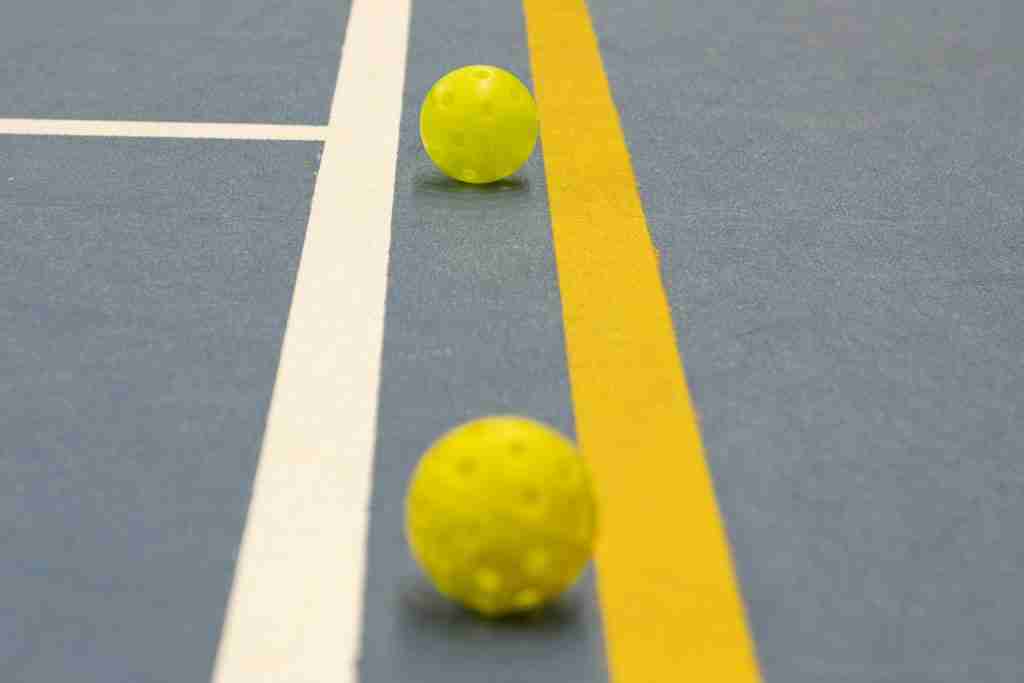
The line rule is simple on paper: The shot is in if any part of the ball touches the line. Even a light brush on the edge counts! This rule applies to all the lines on the court, including the service line, baseline, and sidelines. However, there’s one exception—shots that hit the non-volley zone (or “kitchen”) line on a serve are considered out.
Why Does This Rule Exist?
The line rule ensures that play is consistent and straightforward. Given the game’s fast pace, it’s challenging to spot exactly where the ball lands, especially if it’s close to a line. The rule removes ambiguity by giving the benefit of the doubt to the opponent, aligning with the spirit of fair play. Understanding this keeps disputes to a minimum and maintains the integrity of the game.
Making Accurate Line Calls
Positioning Is Key
The best way to make accurate line calls? Be in the right place to see the ball’s landing spot clearly. Position yourself so you have a full view of the court, and avoid standing directly on the baseline or sideline when observing close calls. To do this:
- Stand slightly off the sideline when receiving serves.
- Move with the ball during play so you’re not guessing from a bad angle.
- Practice focusing your gaze on the line to spot any slight touches.
Use a Clear, Consistent System
Whether you’re playing casually or in a tournament, consistency in calling shots is essential. Here’s a simple system that many players use:
- If the ball is in, raise your hand or call out “in” immediately.
- If the ball is out, make a clear, audible call of “out” as soon as you see it.
- In case of uncertainty, call it in, giving the benefit of the doubt to the opponent. This aligns with the line rule principle.
Common Scenarios and How to Handle Them
Close Calls Near the Sidelines
Close calls near the sidelines often spark disagreements, but these can be easily managed by applying the benefit of the doubt. If you’re uncertain, call it in and continue the game. Remember, it’s about fair play rather than a point here or there.
Shots Close to the Kitchen Line
The non-volley zone line, or kitchen line, has a special rule: during a rally, if the ball touches any part of this line, it’s in. However, if a serve touches the kitchen line, it’s out. This exception can be confusing, so make sure you’re clear on it.
The Opponent’s Serve or Return
Let’s face it—calling your opponent’s shot out can be uncomfortable, especially if it’s close. A great way to handle this is to call your line calls as quickly and confidently as possible. This eliminates doubt and shows you’re paying attention.
What to Do When the Opponent Disagrees
If an opponent disputes your line call, stay calm. Pickleball’s official rules suggest players avoid extended arguments and keep the game moving. If both sides disagree on a call, replaying the point can often be the best solution. It’s not about winning every point—it’s about playing an enjoyable, fair game.
How to Resolve Disputes Fairly
Step 1: Stay Calm and Respectful
Disputes can turn serious if emotions flare. The first step to a fair resolution is to keep a level head and respect your opponent’s perspective. Losing a point is better than losing the fun of the game.
Step 2: Offer to Replay the Point
Replaying a disputed point is a common practice. If you’re unsure or if both sides have different views, a quick replay is fair and allows the game to keep moving. Plus, this option promotes a “no hard feelings” approach.
Step 3: Use a Neutral Witness
In tournaments or competitive matches, there might be an official or another player nearby who can help make the call. Having a neutral party weigh in is helpful if both sides are at odds.
Step 4: Accept Imperfection
It’s important to accept that not every call will be 100% perfect. Even professional players make mistakes, and sometimes it’s just about moving on. Being gracious and flexible goes a long way in maintaining goodwill on the court.
Key Takeaways on the Line Rules
- If the ball touches any part of the line, it’s in—except when it hits the kitchen line on a serve.
- Positioning yourself correctly improves your chances of making accurate calls.
- Use clear, consistent signals for in and out calls.
- For disputed points, stay calm and consider replaying the point.
Following these steps will help make every game fairer, more enjoyable, and free from unnecessary disputes. After all, pickleball is meant to be fun, and by following the line rule closely, you’re helping to ensure that everyone has a great time.
Related Reading
To deepen your understanding of pickleball rules, check out our guide on Pickleball Scoring Rules and Strategies for even more ways to improve your game.
Conclusion: Line Calls—The Key to Fair Play
Mastering the line rules may seem small, but it makes a big difference on the court. With the right approach, you’ll find that line calls become second nature, and disputes will be a rare occurrence. Practice your calls, keep a positive mindset, and remember that sometimes the best choice is to replay the point. It’s all part of the game!
Remember, the key to fair play is not just in knowing the line rules but in applying it consistently and fairly. Now, head out to the court and put these tips to the test!