If you’ve ever been curious about the buzz around pickleball and paddle tennis, you’re not alone. These paddle-based sports have exploded in popularity, each offering a unique twist on fast-paced fun. But what’s the difference between them? And why do players seem so passionate about their game of choice? Let’s dive into the world of pickleball vs paddle tennis, comparing their similarities and key differences so you can decide which one might become your new favorite pastime.
What Are Pickleball and Paddle Tennis?
Before we get into the nitty-gritty, it helps to understand the basics of each sport. Pickleball is a sport that combines elements of tennis, badminton, and ping pong. Played on a smaller court than traditional tennis, pickleball uses a perforated plastic ball (similar to a wiffle ball) and paddles made of lightweight materials like wood or composite. The game is typically played in doubles but can also be enjoyed one-on-one.
Paddle tennis, on the other hand, is played on an even smaller court with paddles (often made of graphite or composite material) and a depressurized tennis ball. It’s a descendant of tennis and maintains many of the same rules, with a few twists to suit the compact court.
If you’re new to pickleball, check out our pickleball rules guide to get familiar with the basics.
Pickleball vs Paddle Tennis: Key Differences
Equipment
Pickleball players use lightweight paddles and a perforated plastic ball. The paddles are slightly larger than ping pong paddles but smaller than a tennis racket. Paddle tennis players, however, use paddles with no strings, and the ball is essentially a modified tennis ball designed for lower bounce. This fundamental difference in equipment creates distinct styles of play, with pickleball offering a lighter, more controlled game and paddle tennis leaning toward faster, more aggressive rallies.
Court Size
A standard pickleball court is 20 feet wide and 44 feet long, about a third of the size of a tennis court. The net is slightly lower than a tennis net, adding to the game’s unique feel.
Want a visual guide to pickleball court dimensions? This video breaks down the layout, measurements, and key features of a standard pickleball court—perfect for beginners and seasoned players alike!
On the other hand, paddle tennis courts are slightly larger, measuring 20 feet wide by 50 feet long. This makes paddle tennis feel closer to traditional tennis while maintaining its accessibility for players of all skill levels. The smaller court sizes in both sports make them perfect for urban settings and recreational play.
Playing Surface
Pickleball is typically played on hard surfaces, often on tennis or multi-sport courts repurposed with pickleball lines. Paddle tennis courts, on the other hand, usually feature a gritty surface to provide better traction. Some paddle tennis courts are enclosed with walls or fencing, which can be used to keep the ball in play, adding an extra element of strategy to the game.
Similarities Between Pickleball and Paddle Tennis
- Community and Social Interaction: Both sports emphasize a sense of community, making them ideal for recreational leagues, meetups, or casual family gatherings.
- Inclusive for All Ages and Skill Levels: Players of varying abilities can enjoy the games, ensuring accessibility and inclusivity.
- Quick Learning Curve: Beginners can grasp the basics of both sports within just a few sessions, contributing to their widespread appeal.
- Health Benefits: Both provide excellent cardiovascular exercise, improving hand-eye coordination, agility, and overall fitness.
- Less Physical Strain: Compared to traditional tennis, these sports are less demanding on the body, making them suitable for a broader range of players.
These shared qualities make pickleball and paddle tennis popular choices for anyone looking for fun, fitness, and connection.
Rules: How Do They Compare?
Pickleball games are typically played to 11 points, and players must win by 2. The serve is underhand and must land in the diagonally opposite service box. A unique feature of pickleball is the “kitchen,” a non-volley zone near the net that adds an extra layer of strategy. Paddle tennis rules are scored similarly to tennis, but players only get one serve—no double faults here. There’s no non-volley zone in paddle tennis, which means net play can be more aggressive. The inclusion of walls or fencing on paddle tennis courts allows players to rebound shots, making for dynamic and exciting rallies.
Why Choose Pickleball Over Paddle Tennis?
Pickleball’s charm lies in its simplicity and versatility. The slower ball speed makes it an excellent choice for players seeking a less intense yet engaging activity. It’s also a fantastic option for multi-generational play since the lighter paddle and ball are easier on joints. Additionally, pickleball courts are widely available, with many tennis courts now doubling as pickleball venues.
Why Choose Paddle Tennis Over Pickleball?
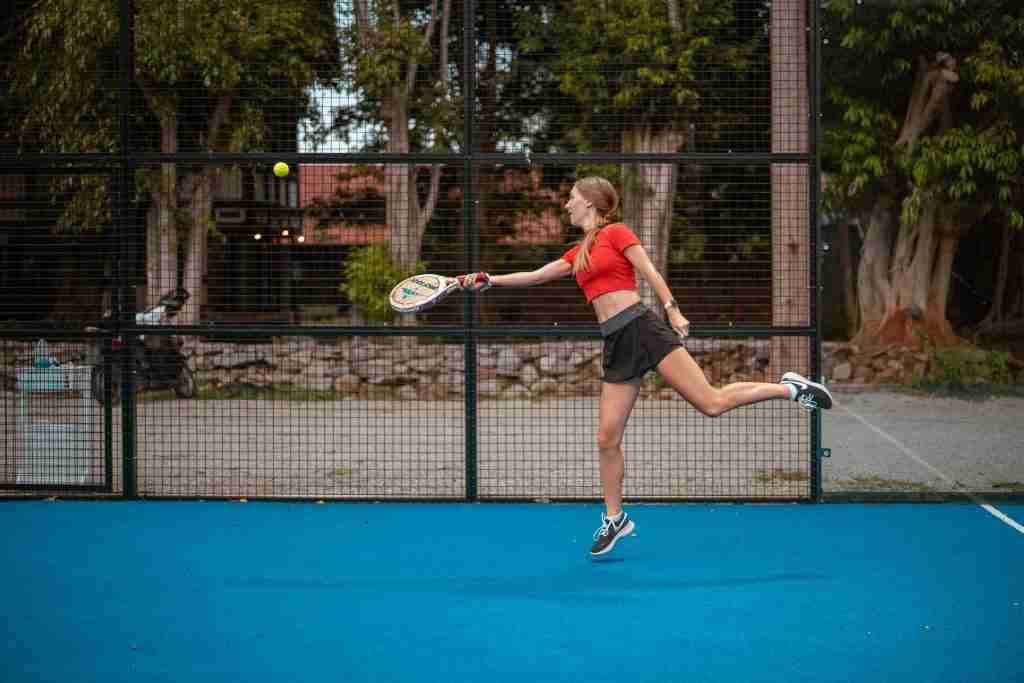
Paddle tennis appeals to those who enjoy a closer connection to traditional tennis but with a more compact and fast-paced format. If you’re someone who thrives on quick reactions and prefers a slightly more aggressive game, paddle tennis might be your calling. The inclusion of walls in some versions adds a unique twist that sets it apart from both pickleball and traditional tennis.
Pickleball vs Paddle Tennis: Which One Is Right for You?
Here’s a quick breakdown to help you decide:
| Feature | Pickleball | Paddle Tennis |
|---|---|---|
| Paddle Type | Lightweight, perforated | Solid, no strings |
| Ball Type | Plastic, wiffle-like | Depressurized tennis ball |
| Court Size | 20×44 feet | 20×50 feet |
| Game Style | Strategic, slower pace | Faster, more aggressive |
Conclusion: Pickleball vs Paddle Tennis
Choosing between pickleball vs paddle tennis ultimately comes down to your personal preferences and playing style. Both sports are accessible, fun, and great ways to stay active while building community. To dive deeper into paddle tennis, visit the Paddle Tennis Association for more insights. Why not give both a try and see which one wins your heart—or better yet, your paddle?