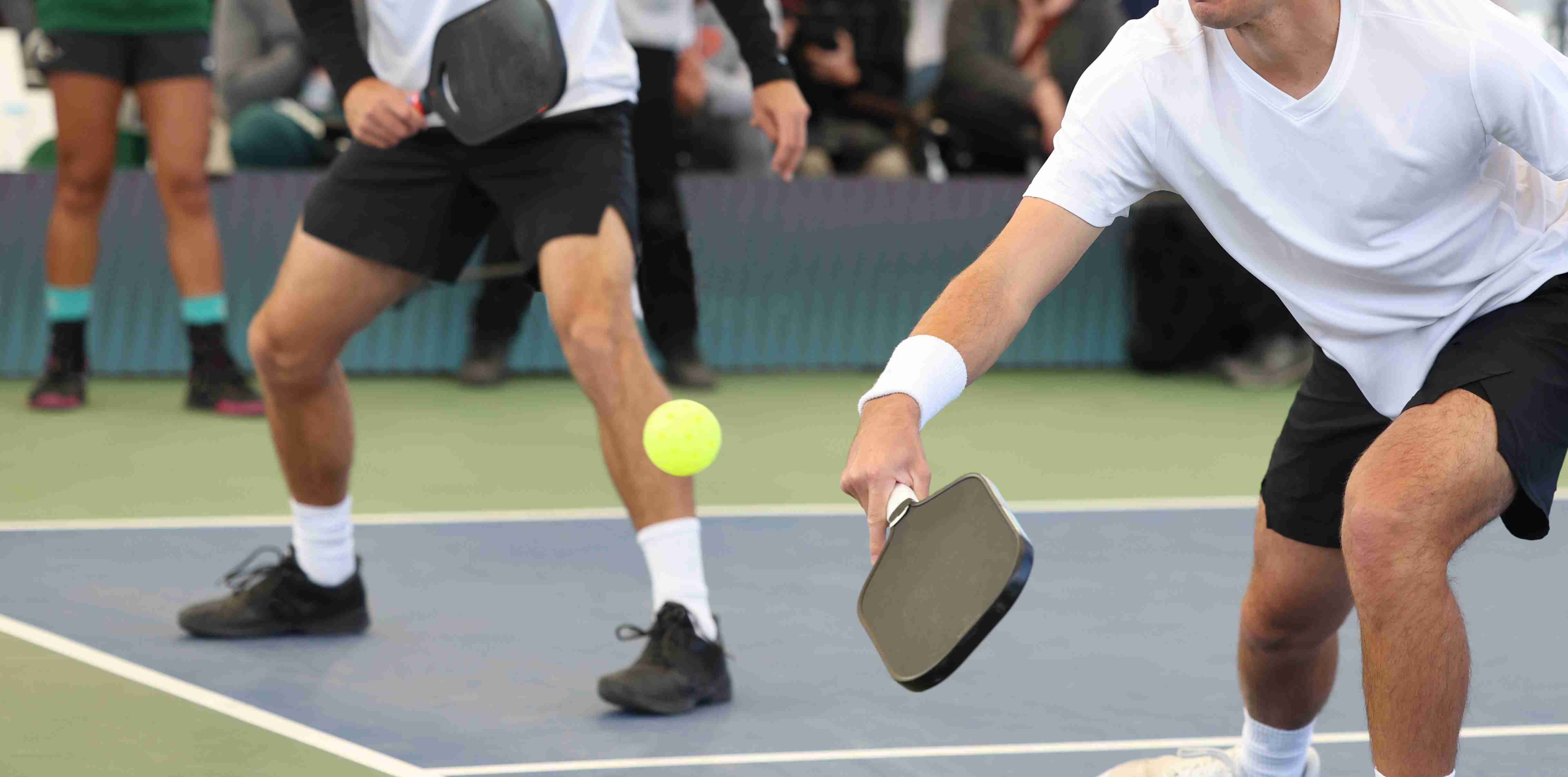
Pickleball is one of the fastest-growing sports in the world, drawing players of all ages to its courts. From local community centers to professional-level tournaments, this paddle sport has taken the world by storm. But a burning question remains: Is pickleball an Olympic sport?
The answer might not be what you expect. While many fans are eager to see their favorite sport take center stage at the Olympics, the road to Olympic recognition is not a simple one. Let’s dive into what makes a sport eligible, where pickleball currently stands, and what it will take for the sport to finally make it to the Olympic Games.
The Growing Popularity of Pickleball
Pickleball was invented in 1965 but has exploded in popularity over the last decade. With an easy-to-learn format, fast-paced gameplay, and an inclusive nature, the sport attracts everyone from casual players to seasoned athletes. According to the Sports & Fitness Industry Association (SFIA), pickleball participation has surged by over 158% in the past three years. Today, it is played by millions across the United States, Canada, the United Kingdom, Australia, and even parts of Asia and Europe.
One of the biggest reasons for pickleball’s success is its accessibility. Unlike other racket sports, it requires minimal equipment, and players of all ages can enjoy it. Additionally, the rise of professional pickleball leagues has propelled the sport further into the mainstream, with televised tournaments and sponsorship deals helping to raise awareness. With this rapid growth, many fans wonder: Is pickleball an Olympic sport? And if not, why?
What Makes a Sport Olympic-Worthy?
For any sport to be included in the Olympics, it must meet specific criteria set by the International Olympic Committee (IOC). These requirements include:
- Governance: The sport must have an international governing body that ensures standardized rules and regulations.
- Global Reach: It should be widely played across multiple continents, with participation in a large number of countries.
- Anti-Doping Compliance: The sport must follow the strict World Anti-Doping Agency (WADA) guidelines. This means that players at all competitive levels must adhere to rigorous drug-testing policies to ensure fair play and uphold the integrity of the sport. WADA compliance requires regular testing, clear anti-doping education programs, and strict enforcement of penalties for violations. Without these measures in place, the IOC is unlikely to approve a sport for Olympic inclusion.
- Competitive Structure: There should be a well-established system of competition, including world championships and professional leagues.
- Sustainability & Popularity: The sport must demonstrate consistent participation and interest across a wide audience.
So, is pickleball an Olympic sport yet? Not quite, but it’s making progress in meeting these requirements. While pickleball does have an international governing body and a structured competitive framework, it still has some hurdles to overcome before it can be included in the Games.
Is Pickleball an Olympic Sport? Where It Stands Today
Recognition by the International Olympic Committee (IOC)
One of the first steps toward Olympic inclusion is recognition by the IOC. Pickleball is currently governed by the International Federation of Pickleball (IFP), which has been working to expand the sport globally. The IFP now boasts over 60 member countries, a key factor in Olympic consideration.
To gain Olympic recognition, a sport must have representation in at least 75 countries across four continents for men’s competition and 40 countries across three continents for women’s competition. While pickleball is growing internationally, it has not yet reached this level of global participation. However, the sport is making strides, with new national federations emerging and international tournaments gaining traction.
Global Participation and Growth
For pickleball to become an Olympic sport, it must demonstrate worldwide appeal. The sport is widely played in the United States, Canada, the UK, and Australia, but it has also expanded into Asia, Europe, and South America.
One of the best indicators of a sport’s Olympic potential is its inclusion in multi-sport international events. Recently, pickleball has been introduced in competitions such as the World Games and the Asian Indoor and Martial Arts Games, showing that international sports organizations are taking the sport seriously. Additionally, events like the Bainbridge Cup showcase the growing number of international players competing at a high level.
What Needs to Happen for Pickleball to Join the Olympics?
Even though pickleball is expanding rapidly, a few hurdles remain before it can officially become an Olympic sport. Several steps need to be taken for the sport to gain full recognition and be included in future Olympic Games.
1. More International Recognition
While pickleball has a strong following in North America, it still needs to gain traction in certain regions, particularly Africa and parts of Asia. The IOC looks for sports that have widespread global appeal, meaning that international federations and leagues must continue to push for expansion into new markets.
One way to achieve this is through increased investment in grassroots programs and partnerships with existing Olympic sports federations. The more pickleball is played in non-traditional markets, the stronger its case for Olympic inclusion becomes.
2. Inclusion in the World Games or Youth Olympics
Before making it to the Olympics, many sports first appeared in the World Games or the Youth Olympic Games. These events serve as a testing ground to gauge a sport’s viability on the Olympic stage.
For instance, sports like skateboarding and sport climbing first gained recognition through youth-focused events before being added to the Olympic program. If pickleball can secure a spot in these secondary competitions, its chances of making it to the Olympics will increase significantly.
3. Strengthening Professional Leagues and Tournaments
Sports like skateboarding and sport climbing gained Olympic status after proving they had structured professional circuits. Pickleball is on its way, with organizations like the Professional Pickleball Association (PPA) and the Association of Pickleball Professionals (APP) leading the charge.
Major tournaments such as the US Open Pickleball Championships and the Pickleball World Championships are attracting more attention, but there needs to be an even stronger international tournament circuit before the sport can be considered Olympic-worthy.
4. Compliance with Olympic Standards
The World Anti-Doping Agency (WADA) plays a crucial role in Olympic eligibility. Pickleball must ensure that all professional players adhere to WADA’s stringent drug-testing policies. Without strict anti-doping measures in place, the IOC is unlikely to approve the sport for inclusion.
The Role of Fans in Pickleball’s Olympic Journey
While much of the responsibility for Olympic inclusion falls on governing bodies, fans also play a crucial role in growing the sport. Increased viewership, participation in local clubs, and support for professional tournaments all help demonstrate pickleball’s global appeal. Social media campaigns, petitions, and outreach efforts can further highlight the demand for pickleball’s inclusion in the Olympics. The more visibility and engagement the sport receives, the greater the pressure on decision-makers to consider it for future Games.
When Could Pickleball Become an Olympic Sport?
The timeline for pickleball’s Olympic inclusion is uncertain, but experts predict it could happen by the 2032 Summer Olympics at the earliest. The 2028 Los Angeles Olympics may also provide an opportunity for pickleball to be showcased as a demonstration sport.
If pickleball continues its rapid growth and meets the necessary IOC criteria, there’s a strong chance it will become an official Olympic sport in the near future.
Is Pickleball an Olympic Sport? The Verdict
For now, pickleball is not an Olympic sport, but it’s on the right track. With increasing international participation, structured tournaments, and ongoing efforts by the IFP, the dream of seeing pickleball in the Olympics is closer than ever. The sport has made incredible progress over the past decade, and if it continues on this trajectory, it’s only a matter of time before we see it featured on the world’s biggest stage.
Want to Learn More?
For more updates on pickleball’s journey to the Olympics, check out our guide on pickleball rules and strategies. You can also visit the International Federation of Pickleball (IFP) for the latest developments.