

What Is the Pickleball Non-Volley Zone?
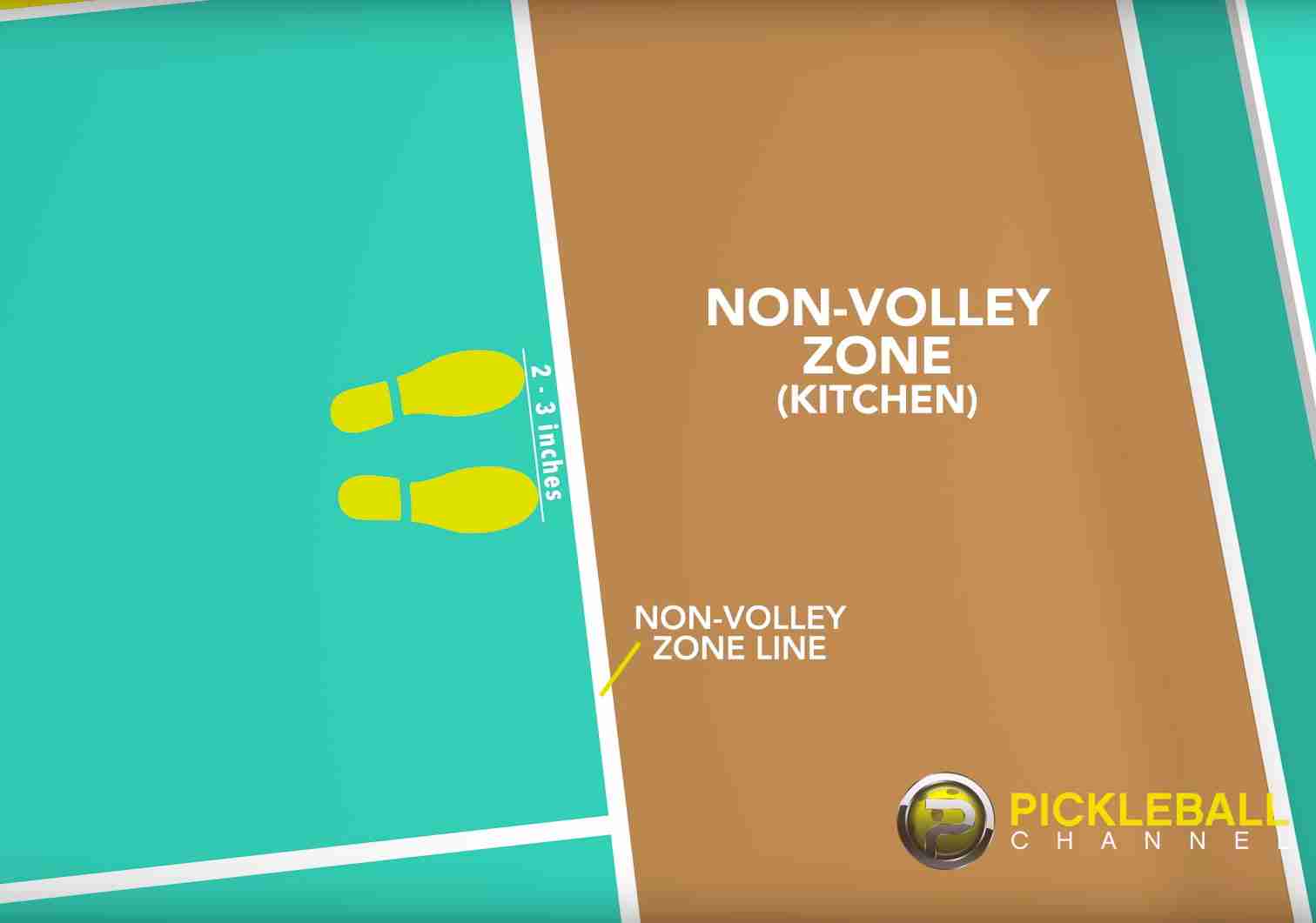
The pickleball non-volley zone, better known as the “kitchen,” is that seven-foot strip in front of the net that players either love or fear. It looks harmless, but it’s the most misunderstood part of the court. The basic rule is simple: you can’t volley while standing in, or even touching, the kitchen. If the ball bounces, you’re free to step in and hit it—but volleying while inside is an instant fault.

This rule keeps rallies balanced. Without the kitchen, players could crowd the net and slam balls downward without mercy. The zone forces everyone to think about finesse, angles, and patience.
Why the Pickleball Non-Volley Zone Exists
Many beginners wonder why the kitchen even exists. Isn’t pickleball supposed to be fast-paced and action-packed? The truth is, the kitchen is the reason rallies are fun to watch and play. By keeping players out of the zone on volleys, the game rewards softer skills like touch, anticipation, and footwork instead of just raw power.
At the non-volley zone line, you’ll see some of the most thrilling exchanges—quick dinks, sharp angles, and resets that keep rallies alive. The kitchen is what makes pickleball strategic, not just smash-and-grab tennis with a whiffle ball.
Pickleball Non-Volley Zone Rules You Must Know
No Volleys Allowed
You cannot volley the ball while inside the kitchen or standing on the line. That means if your paddle is legal but your toe sneaks onto the line, it’s a fault.
Watch Your Momentum
One of the trickiest rules is about momentum. Even if you start outside the kitchen and hit a volley, if your body carries you forward and you step into the zone after contact, it’s still a violation. This is where balance and footwork really matter.
Groundstrokes Are Fine
You can absolutely step into the kitchen to play balls that have bounced. Dinks and drops are all legal, but the challenge is to get in, play the shot, and then recover quickly so you’re ready for the next ball.
Recent Rule Updates
In 2025, USA Pickleball clarified a few things that affect kitchen play. For instance, spin serves have been restricted—players must release the ball naturally when serving, which impacts the types of tricky returns you’ll face near the NVZ. Tournaments also now allow certain foot fault calls to be reviewed via video replay, which means the kitchen will be policed more closely in competitive play.
Common Mistakes in the Pickleball Non-Volley Zone
A lot of players break NVZ rules without realizing it. A big one is leaning too far forward on volleys—your paddle might be outside, but if your weight shifts and your foot drifts into the line, that’s a violation. Another mistake is forgetting that the painted line is part of the zone. If you touch it while volleying, you’re guilty, even if it feels like “just a toe.”
There’s also the issue of jumping volleys. Some players think they can leap from outside the zone, smash the ball midair, and land in the kitchen. Sorry, that’s still illegal—the rule looks at where you land after the shot. If your momentum brings you into the kitchen, the point goes to your opponent.
How to Stay Legal in the Pickleball Non-Volley Zone
Staying legal comes down to discipline. The most important skill is balance. You need to hit your volleys with control so you don’t stumble forward after contact. Think about finishing with your weight centered and your feet outside the kitchen.
Another tip is to focus on resets rather than risky smashes. A well-placed dink or drop shot can do more damage than a power volley that risks pulling you into the zone. Practicing this with shadow drills—where you mimic hitting a volley and then resetting your stance—can make legal play second nature.
Kitchen Strategy: How to Win From the NVZ
The non-volley zone isn’t just about defense. The players who master it can control the pace of a rally and frustrate opponents. A good dink game is your best weapon here. By keeping the ball low and placing it wide, you force your opponents into awkward positions.
Another classic tactic is attacking the middle. Two opponents standing side by side at the NVZ line often hesitate when a ball is placed right between them. Add in some height and spin variation, and suddenly you’re creating unforced errors. And when the chance comes? Don’t be afraid to lob—if they’re crowding the line, send the ball sailing over their heads.
To really own the kitchen, it’s not just about touch and tactics—it’s also about the gear you use. The right paddle can make your dinks more consistent and your resets more controlled, so if you’re looking for recommendations, check out our graphite pickleball paddles guide.
Footwork Tips for the Pickleball Non-Volley Zone
Footwork is the difference between looking like a pro and tripping into the kitchen.
- Stay light on your toes—never flat-footed.
- Use lateral shuffles instead of crossing your feet.
- Reset with a split step every time your opponent makes contact.
- Keep knees bent and your paddle up in the ready position.
Think of it like dancing—you’re gliding, bouncing, and reacting to the rhythm of the rally.
FAQs About the Pickleball Non-Volley Zone
Can you step in after the ball bounces?
Yes. Once the ball bounces, you can step into the NVZ to hit a groundstroke or dink.
Is the line part of the non-volley zone?
Absolutely. If you’re volleying and step on the line, it’s a fault.
Can I jump in and out of the zone to volley?
No. It doesn’t matter if you jump—what matters is where your feet land after the shot.
Why do players call it the kitchen?
It’s pickleball slang borrowed from shuffleboard, where the penalty area is called “the kitchen.”
Final Takeaway
The pickleball non-volley zone is the most strategic part of the court. It forces players to be smart with their shots, light on their feet, and disciplined with their balance. By respecting the kitchen, you’ll not only avoid embarrassing faults—you’ll actually unlock a higher level of pickleball.
So, next time you step on court, don’t fear the kitchen. Own it. Outthink your opponent, play with patience, and turn the NVZ into your winning zone.


